Hammerhead
Recruited as the first hardware product manager to lead post-acquisition integration of Hammerhead into SRAM. Led the Karoo product line from Karoo 2 through the 2024 generation — unifying hardware and software product vision for the first time and developing the first 4+ year integrated HW/SW platform strategy. Launched with 56% YoY revenue growth and zero critical bugs in first 90 days.
Karoo Connected Platform
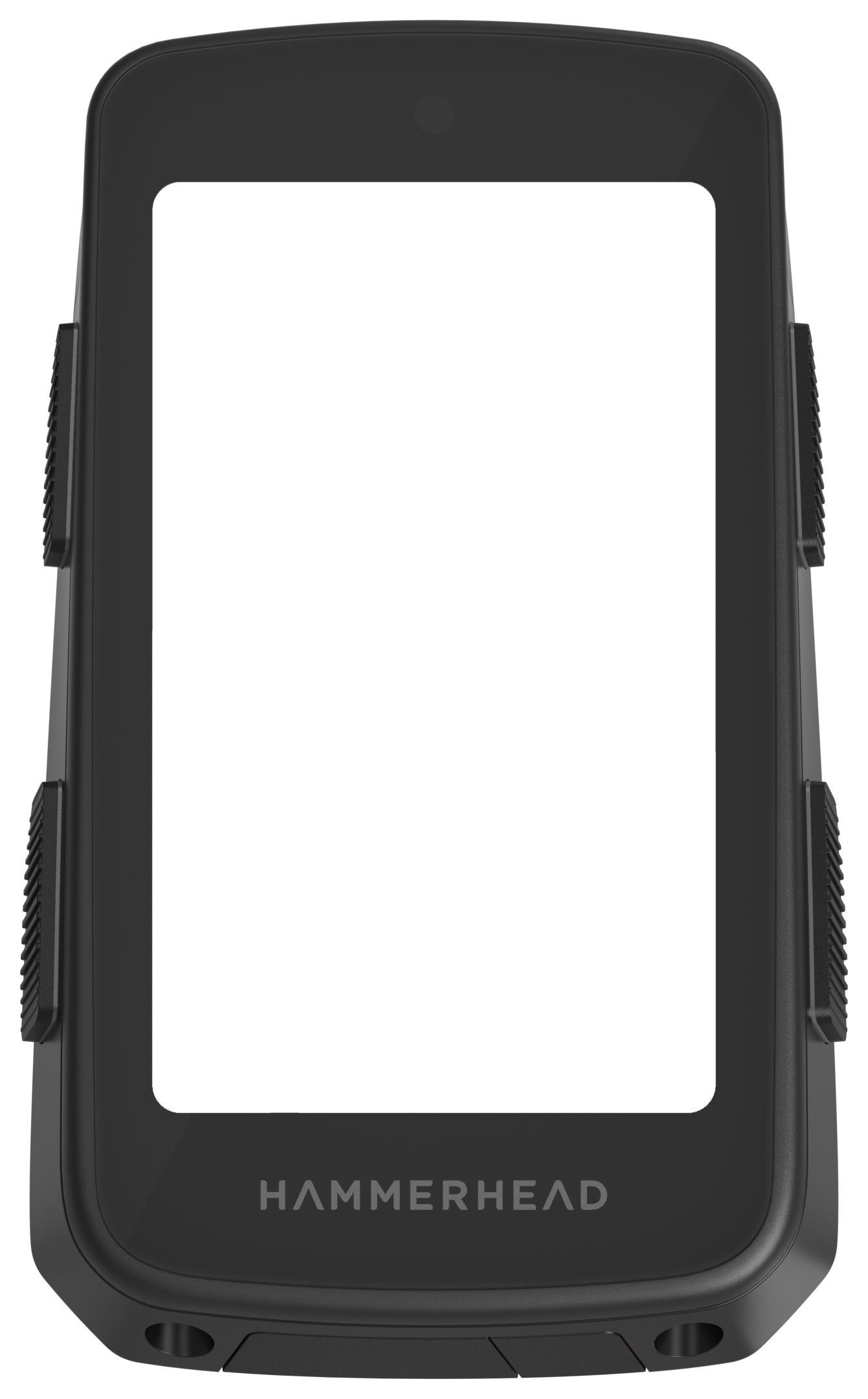
First hardware PM at Hammerhead. Led the product transition from Karoo 2 to the 2024 Karoo generation — owning the PRD, user testing, deep user research, workshops, and roadmapping. Unified hardware and software product strategy for the first time in the company's history. Developed a shared-architecture hardware platform (PC board, tooling, design) delivering 2x product output at 1.5x cost. Scoped display (292 PPI with anti-glare cover glass), battery optimization deep in Android, GPS chipset selection (dual-band GNSS), antenna tuning, and haptic button interface. Led the acquisition transition with SRAM. Mentored 3 product managers. Competing directly with Garmin Edge 850/1050 and Wahoo ROAM/BOLT.
Karoo Accessory Program
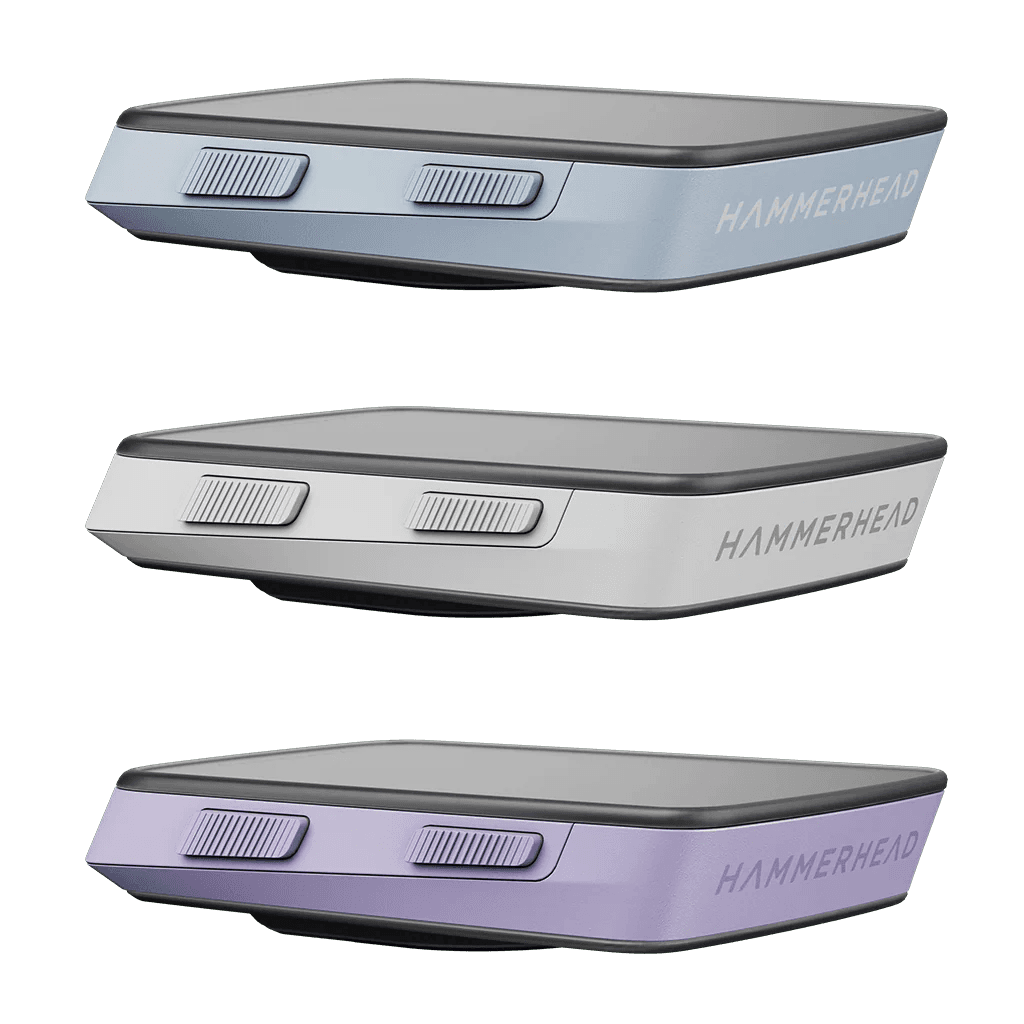
Designed and scaled an accessory product portfolio driving 60% YoY growth. Led community color research — candidates narrowed to finalists via community vote. Managed color tuning across TPU, buttons, and resin shell (different materials matched to feel unified). Karoo 2 kit ($39, 2021) and 2024 Elevation Series ($48 — Frost Gray, Haze Blue, Ascent Purple). Created recurring accessory revenue stream differentiating Karoo from fixed-color competitors.
Hammerhead Mounting System
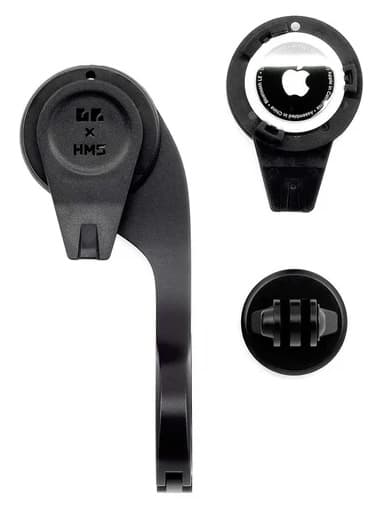
Pioneered a standardized licensing platform from the ground up. Developed a standardized interface — 2D files with tolerances and fitment specs, 3D drawings, and manufacturing recommendations — enabling any third-party to implement Hammerhead's patented mount design. Led K-EDGE as the launch manufacturing partner, then expanded the ecosystem to 14+ partners sharing the patented design. This isn't just hardware — it's ecosystem strategy.
Trek Bicycle
Thirteen years at Trek (2009–2022) — from forecasting and supply chain analytics to Road Bicycle Product Manager to Program Manager of Project One custom bikes. Managed a $350M portfolio at the intersection of physical engineering and connected systems — e-bike platforms, integrated race accessories, and configured-to-order digital commerce.
5 Subsystems, 1 Seamless Platform
Mid-drive motor, battery management, range extender, integrated HMI, and hood-mounted controls — all communicating over CAN bus.
Domane+ SLR — transparent frame reveals integrated TQ motor and battery routing
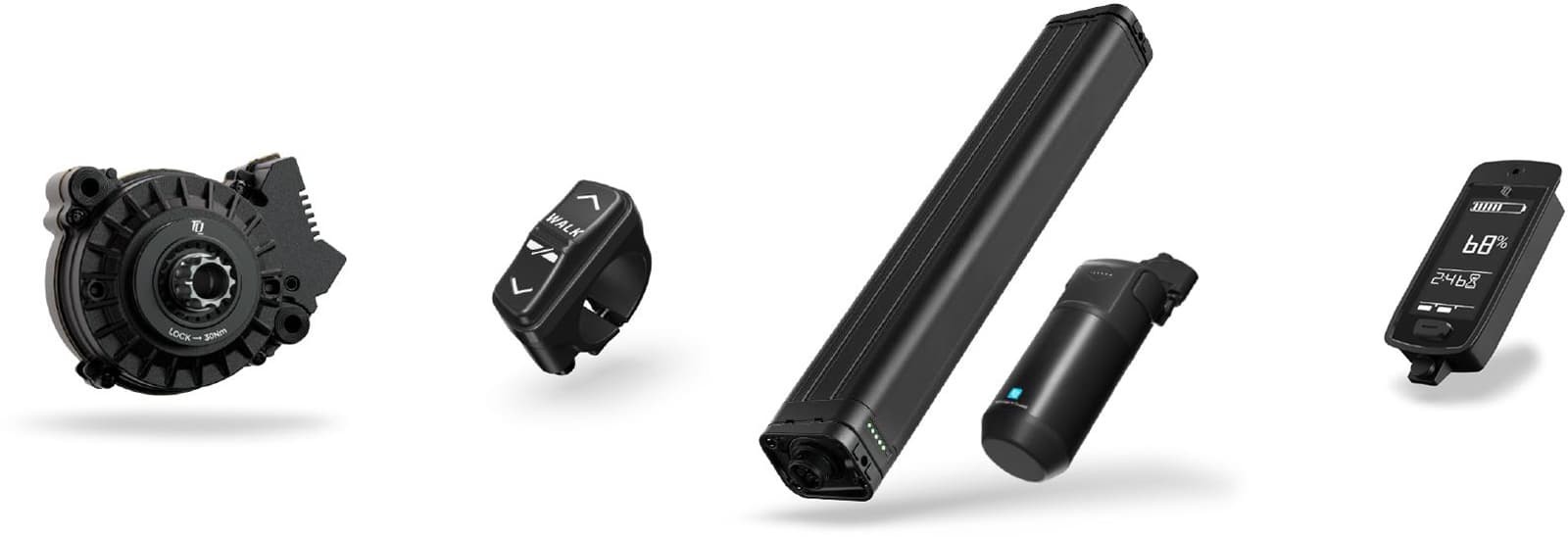
TQ HPR50 system — motor, remote, battery, range extender, display
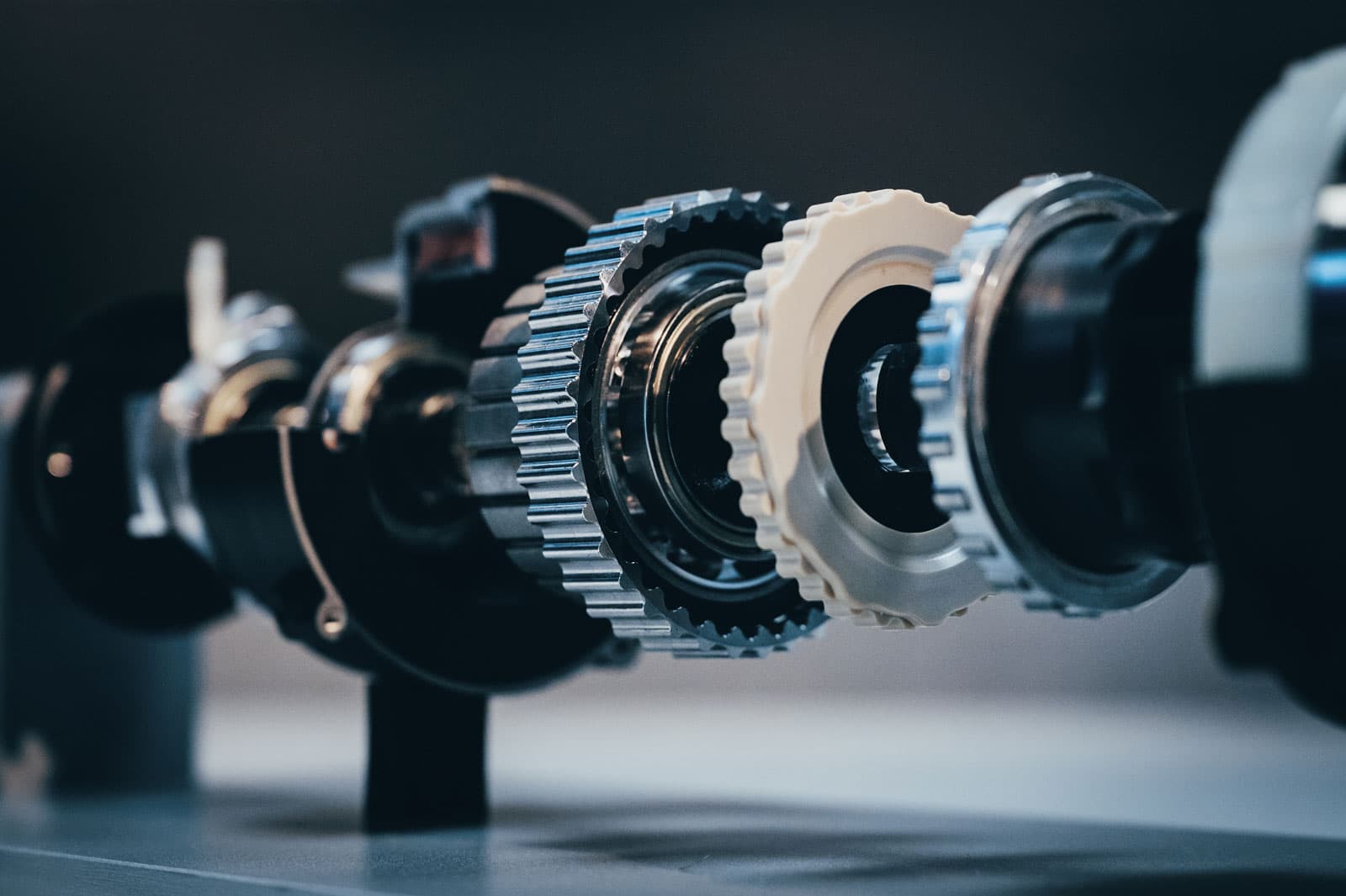
Harmonic pin-ring transmission — 50Nm, 1,850g
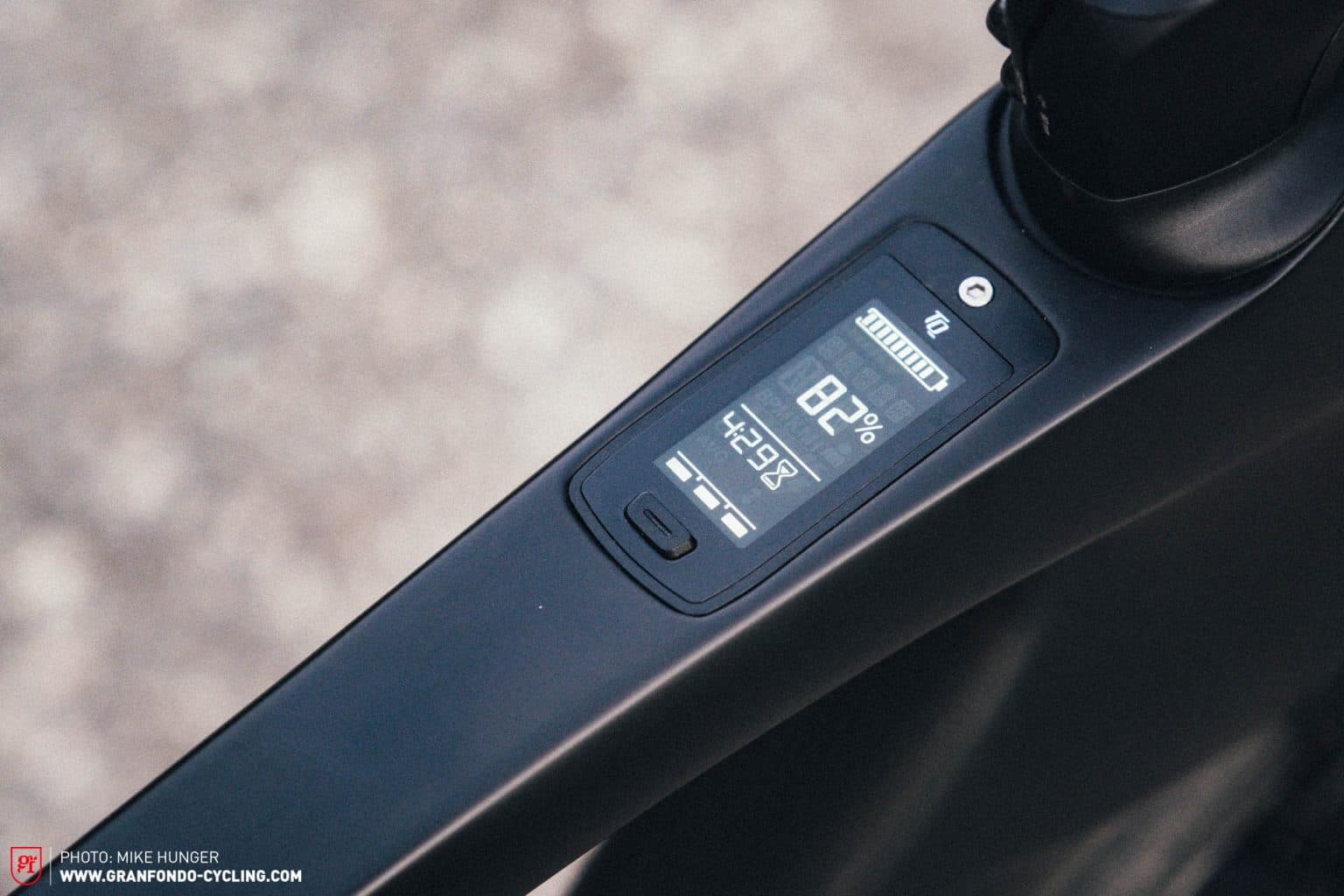
Integrated TQ display — battery %, assist mode, Bluetooth status
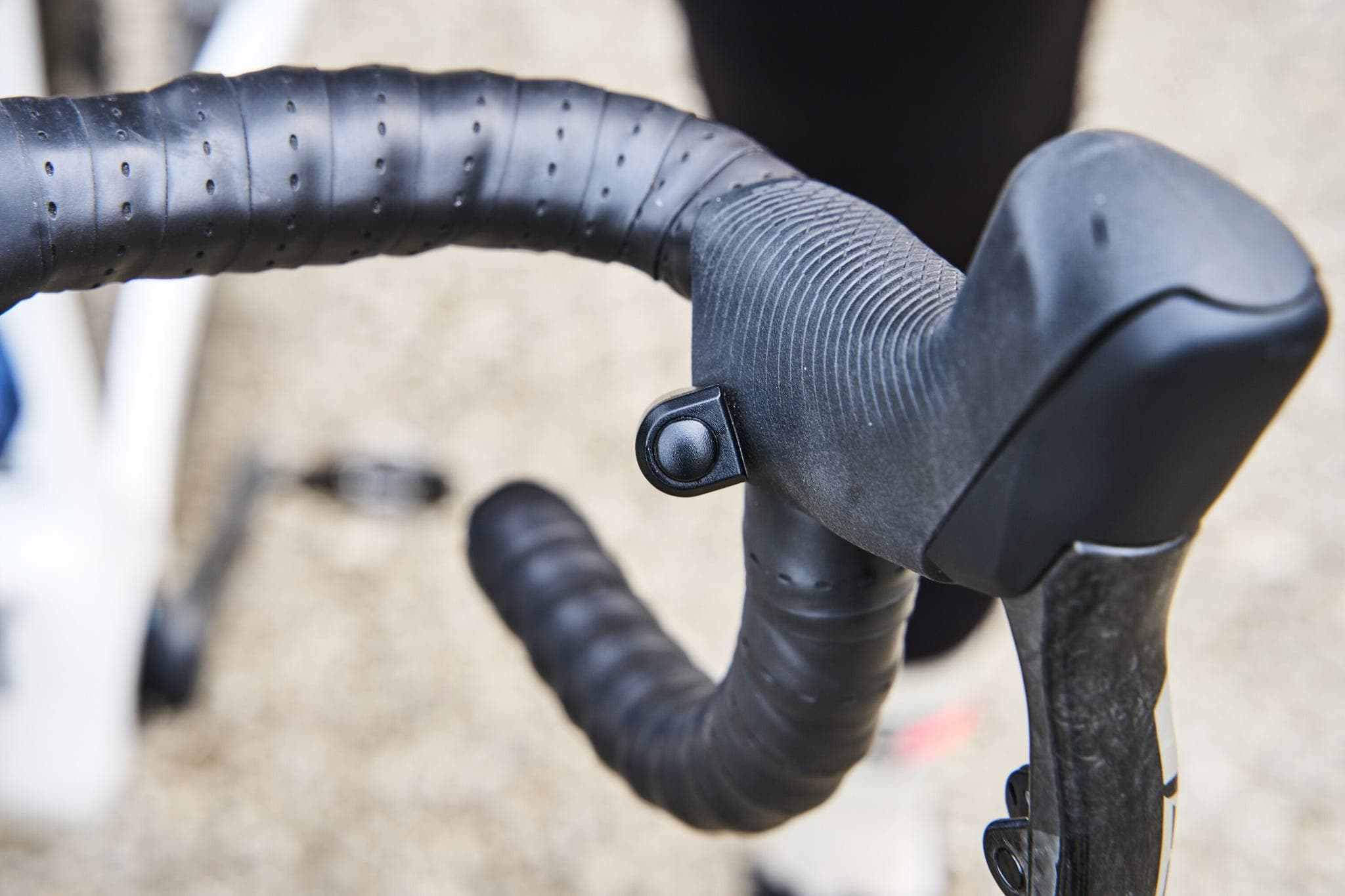
Hood-mounted remote — single button toggles 3 assist modes
Accessible Connected E-Road
Different motor architecture, same connected platform — Hyena's rear hub motor brings e-assist to the aluminum Domane at a lower price point.
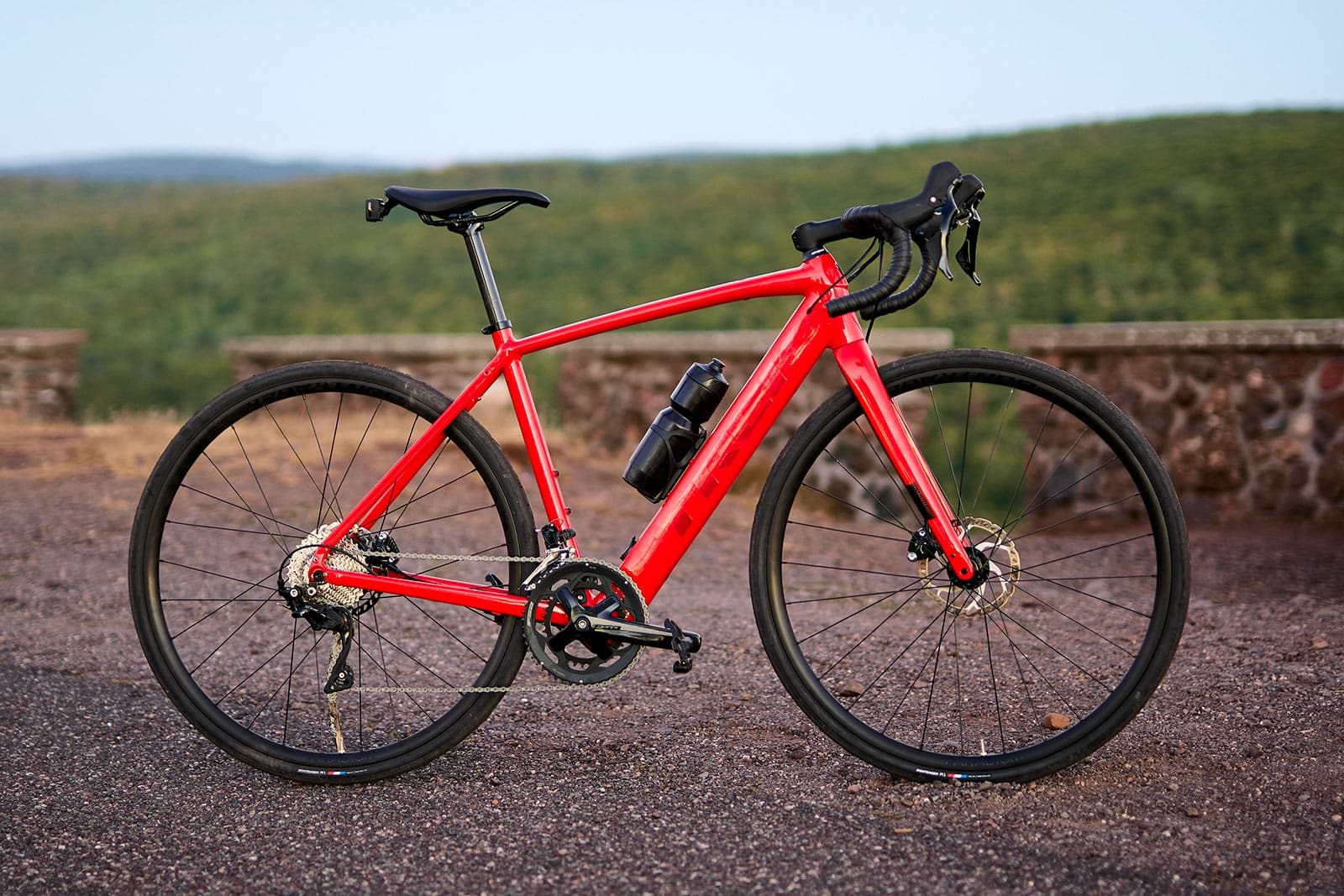
Domane+ AL — accessible e-road with Hyena rear hub motor
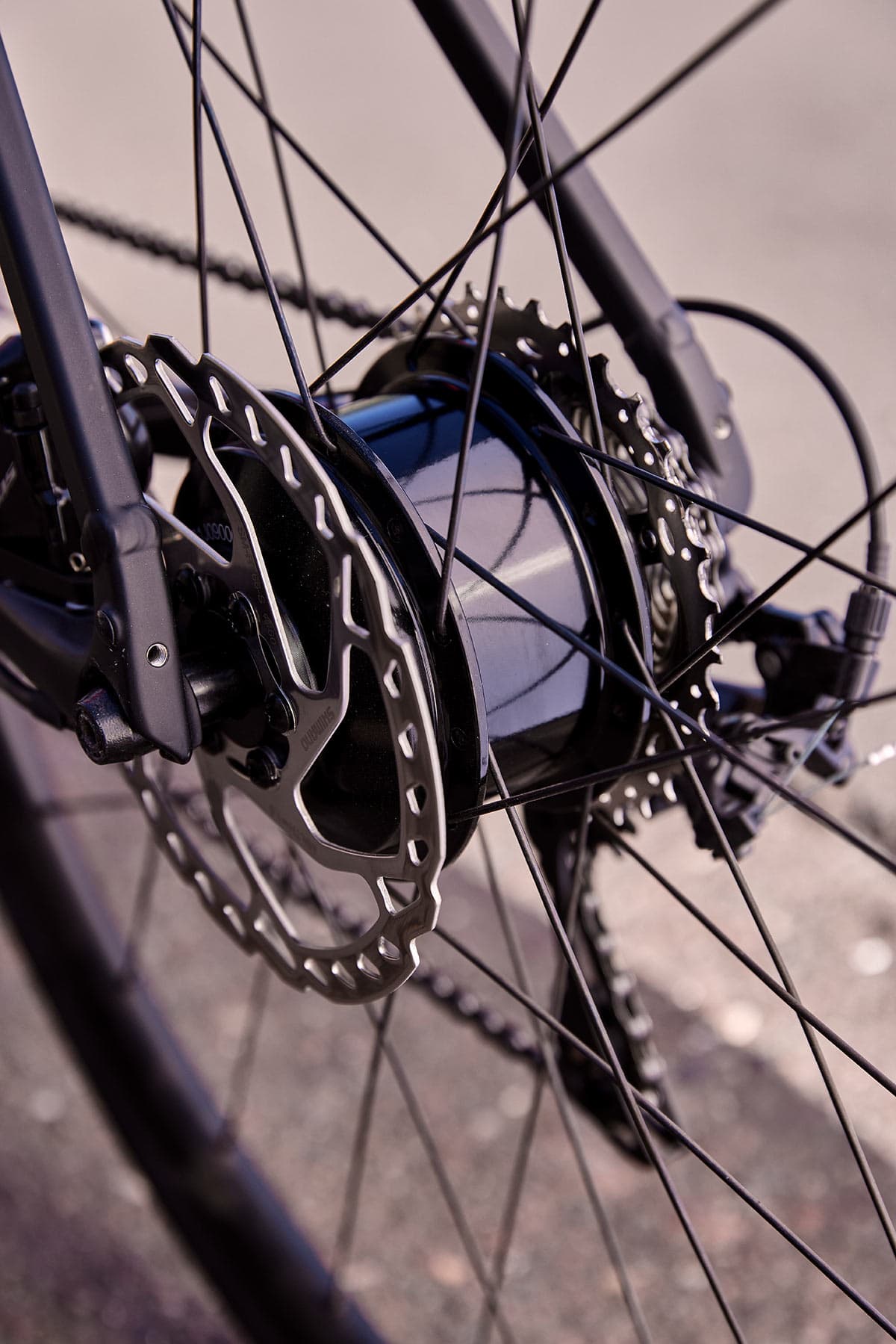
Hyena rear hub — 40Nm, 250W, integrated into rear axle
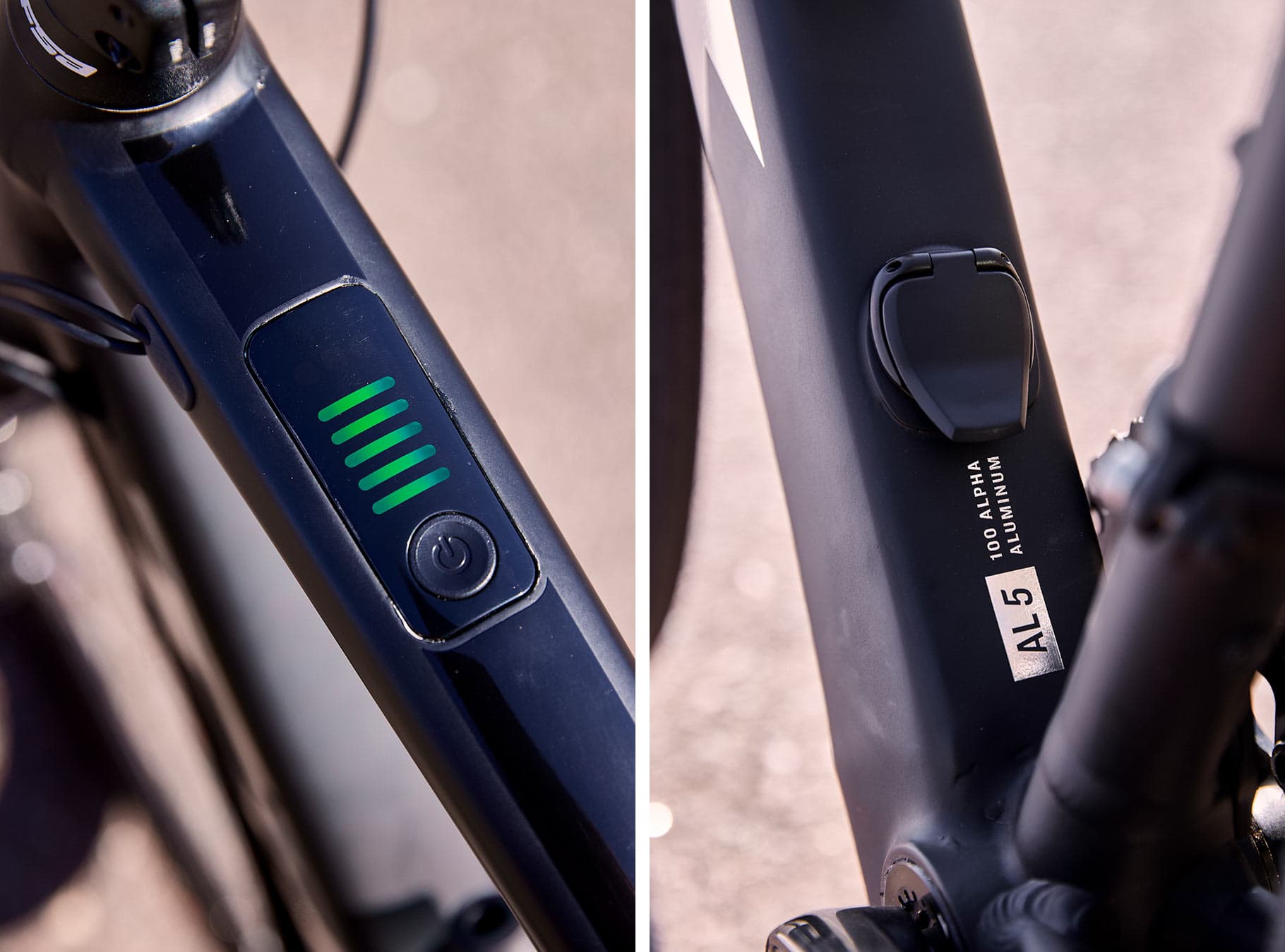
Integrated display with USB-C charging port
Software That Ties It Together
Companion app connecting rider to bike — system diagnostics, live ride data, motor tuning, and range-aware navigation over Bluetooth.
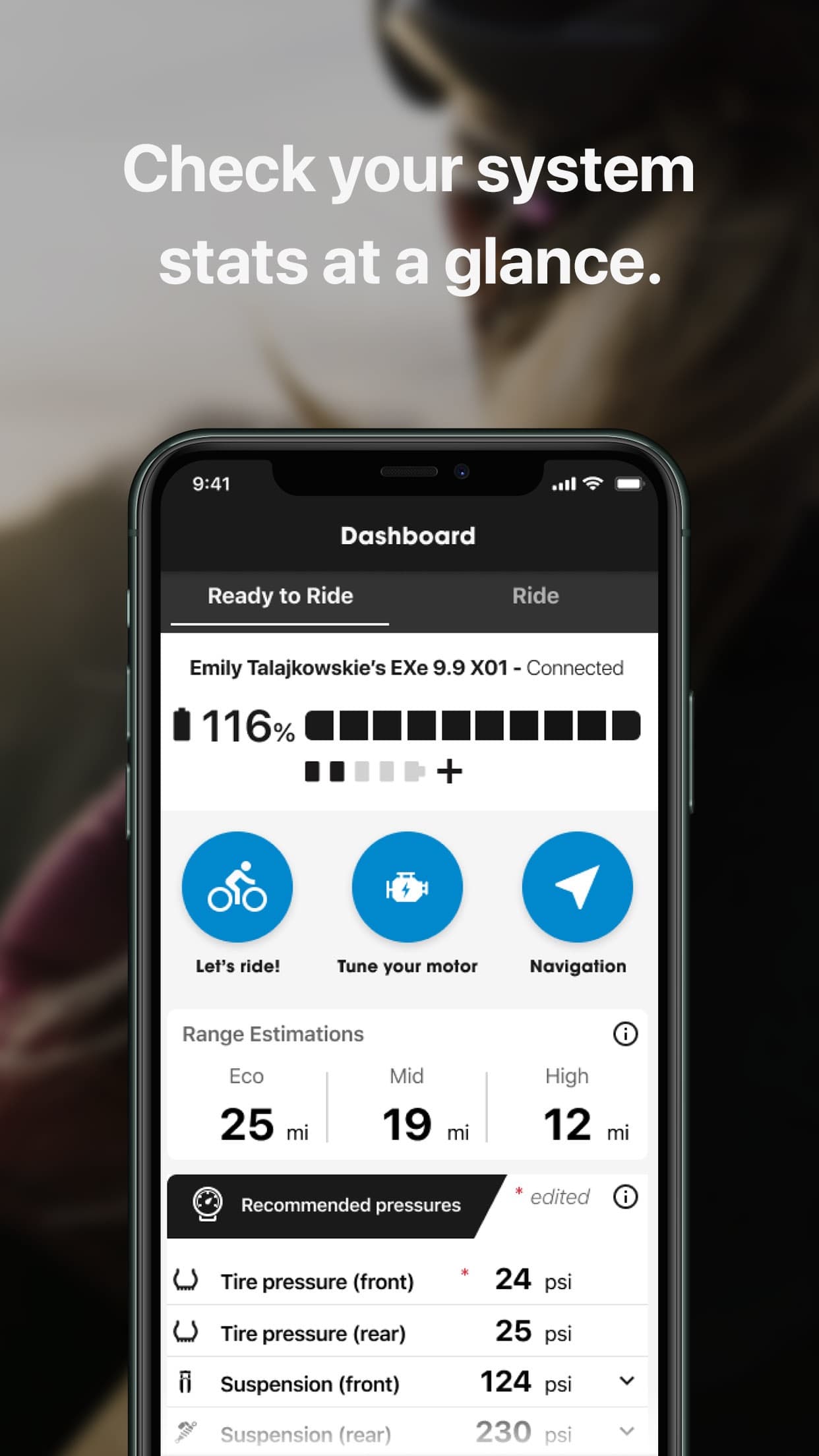
System dashboard — battery, range estimations, tire pressure
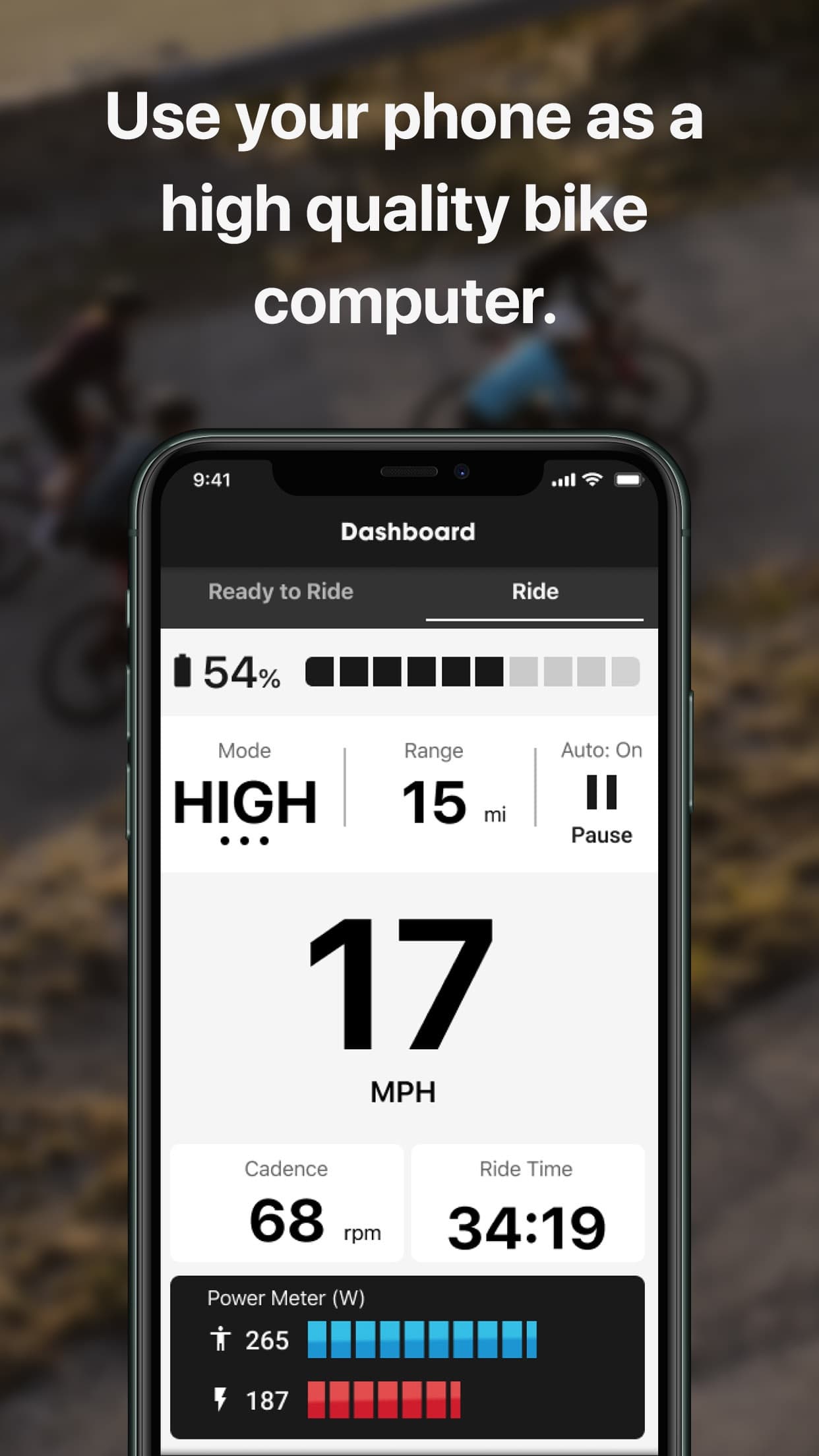
Live ride computer — speed, cadence, power meter
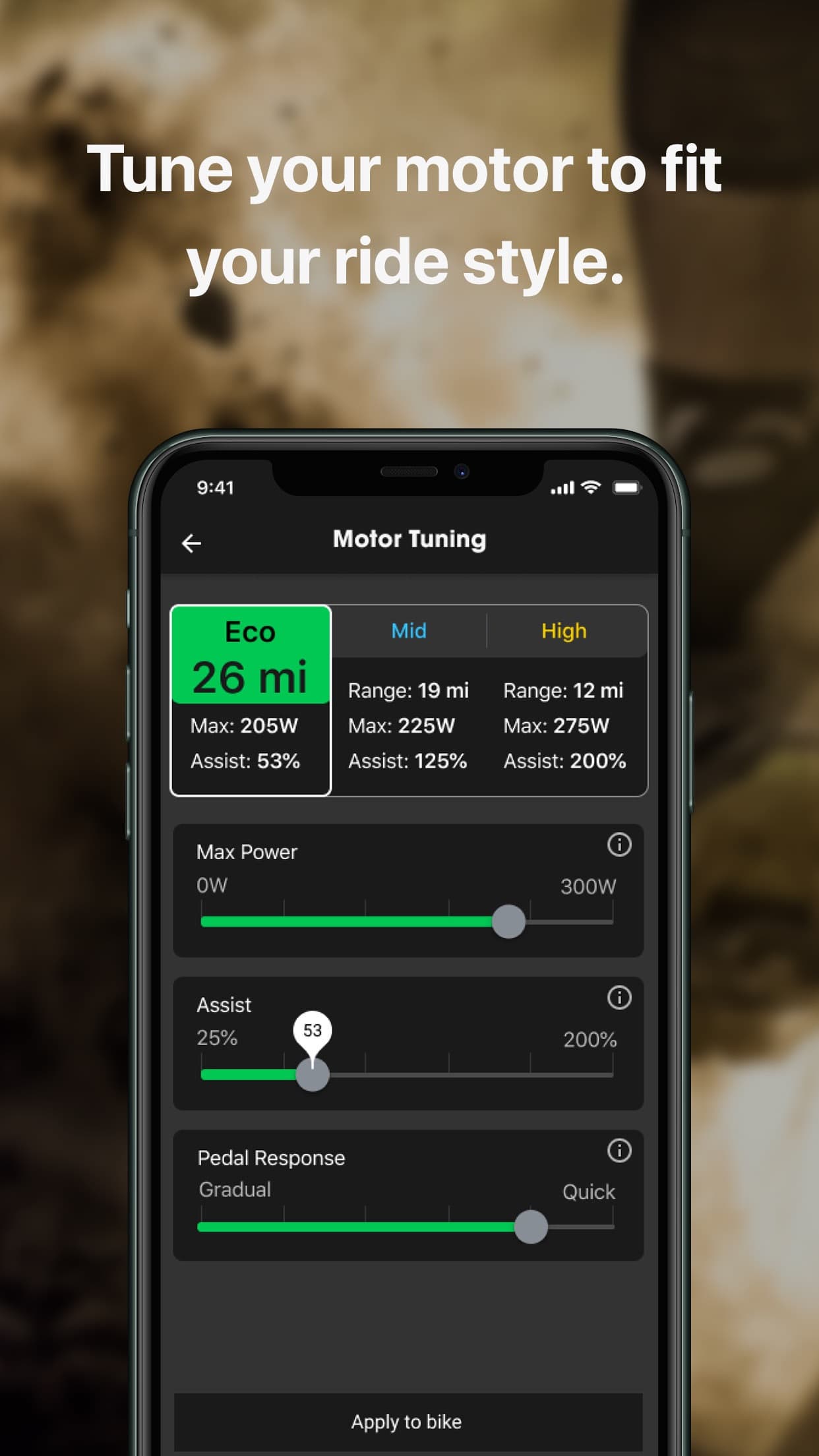
Motor tuning — power, assist %, pedal response per mode
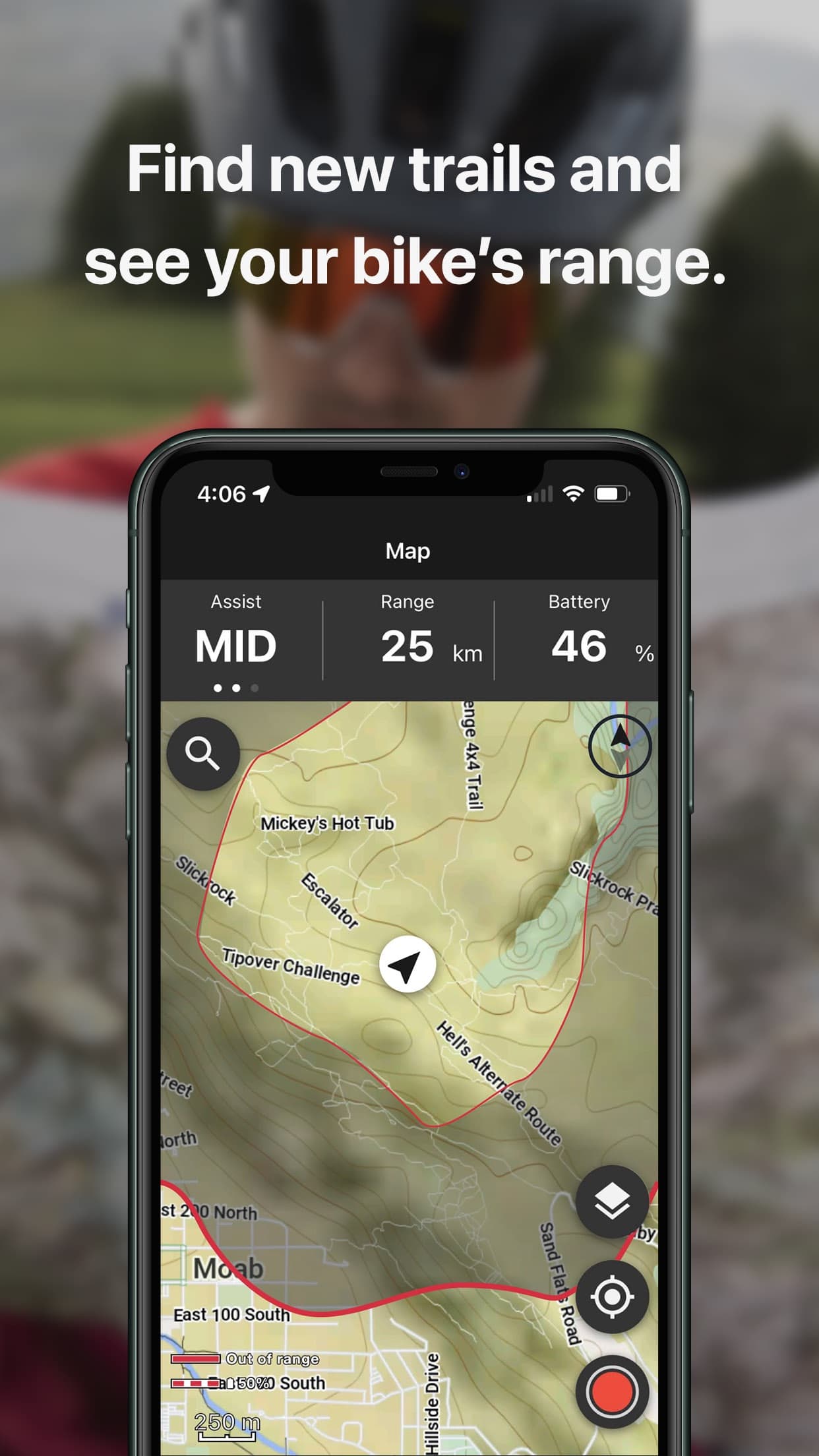
Range-aware navigation — trails, battery overlay, topo maps
Not a Bicycle — a Race System
Every component engineered to add zero aero drag. Five distinct domains that all coexist in one platform.
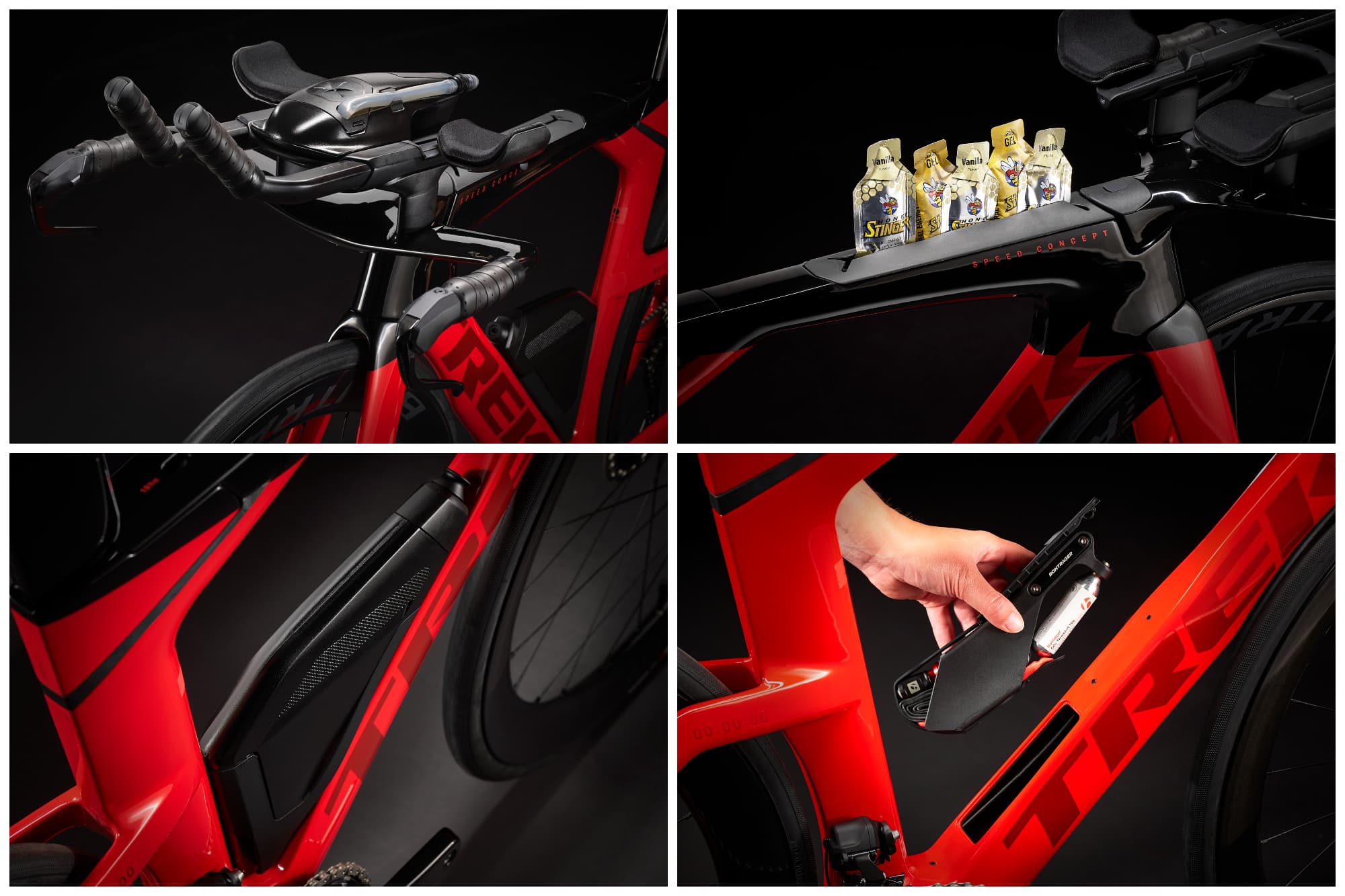
Five integrated engineering domains in one race machine
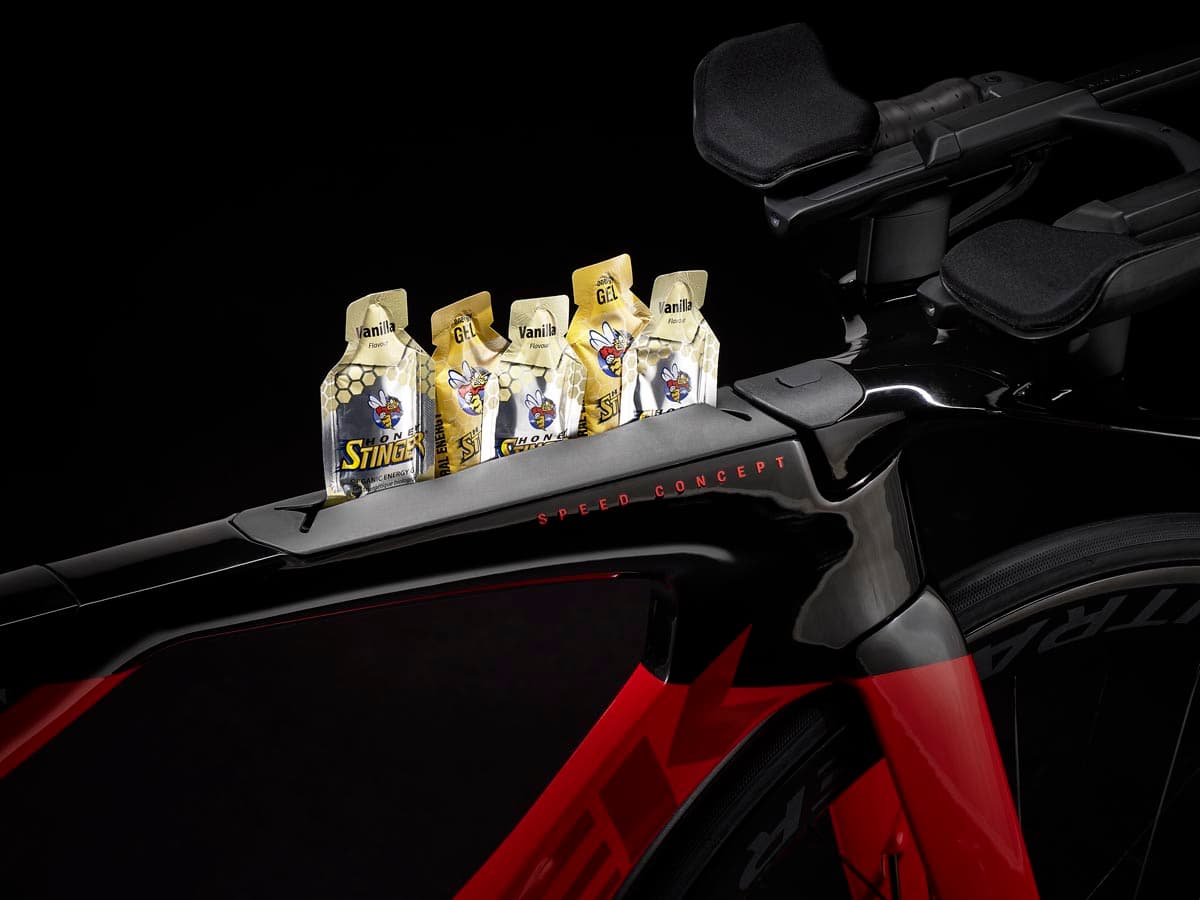
Integrated bento box — 8+ gels, zero aero penalty
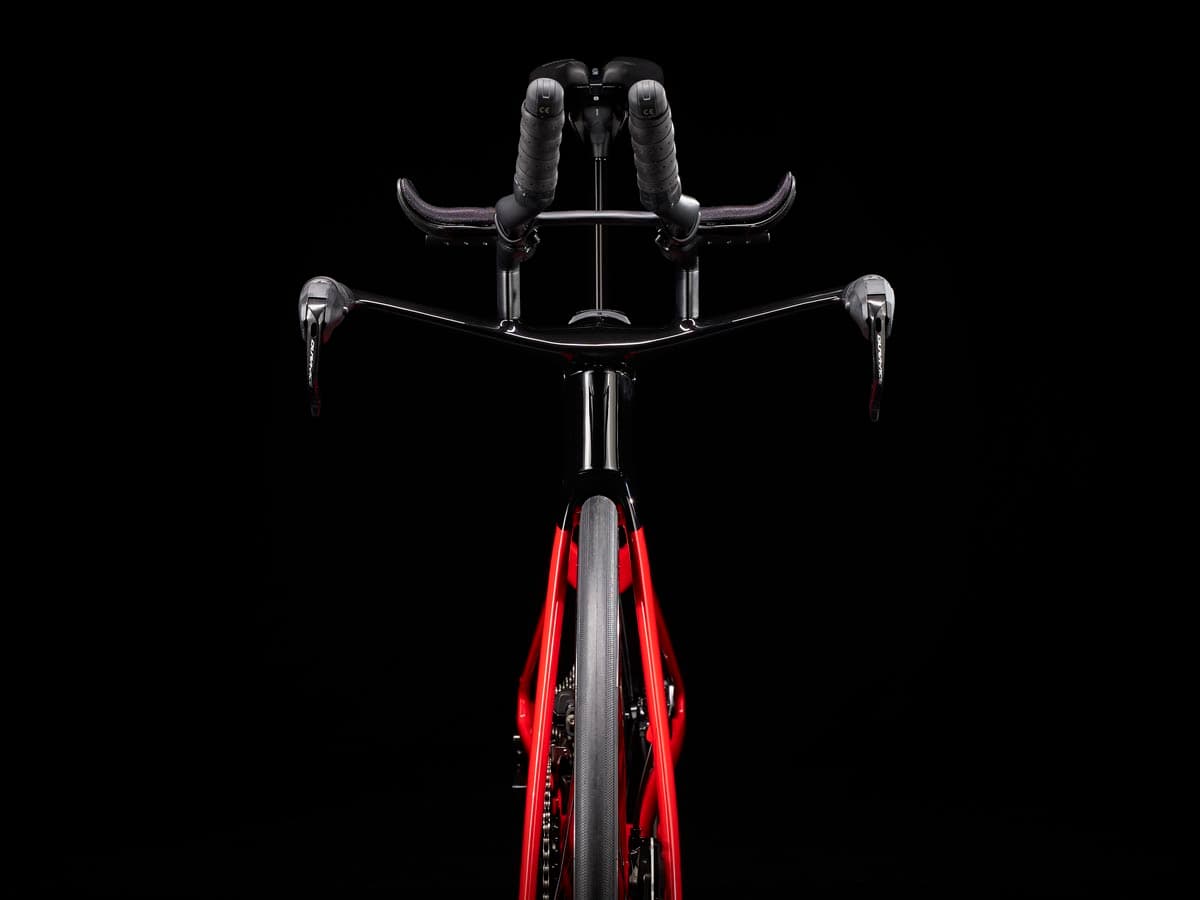
Modular cockpit — thousands of valid fit configurations
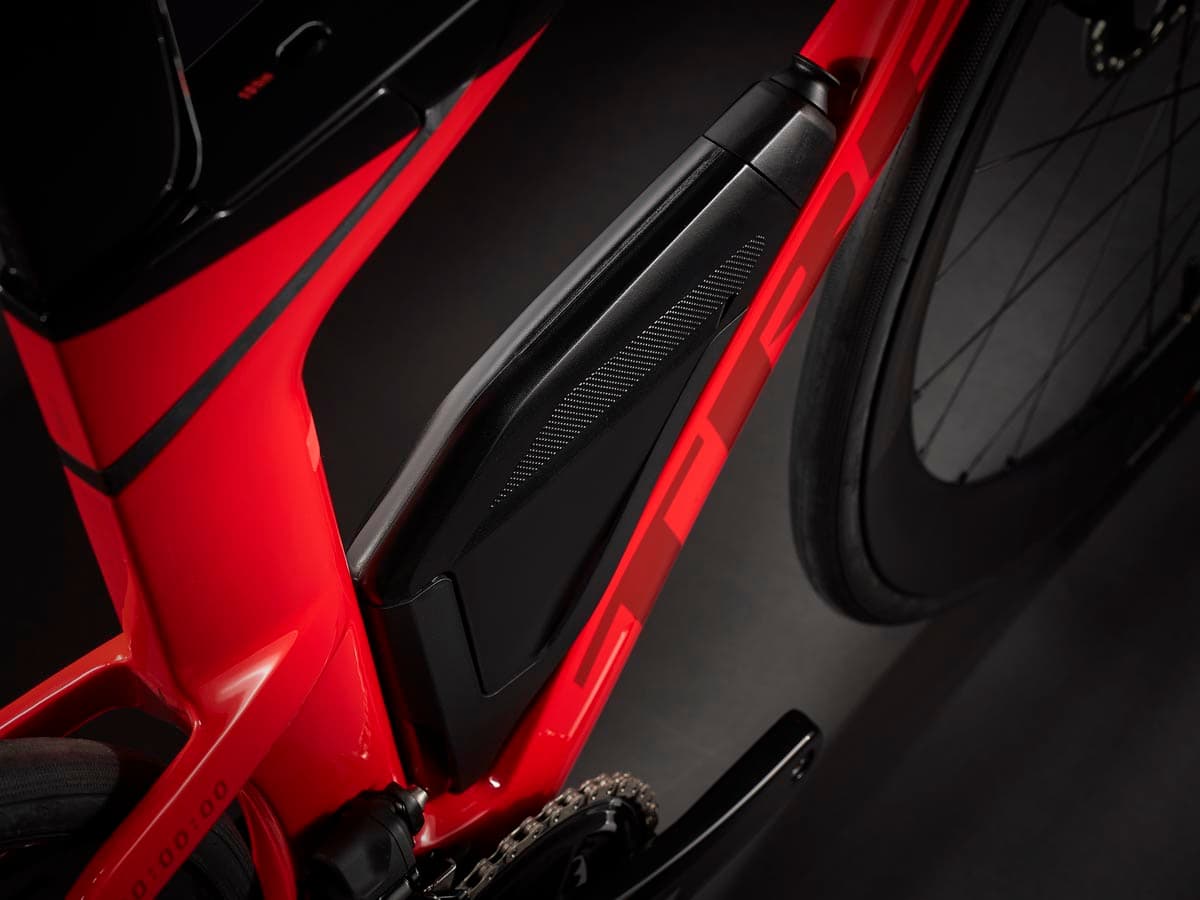
Aero downtube bottle — 700ml, flush-mount cage
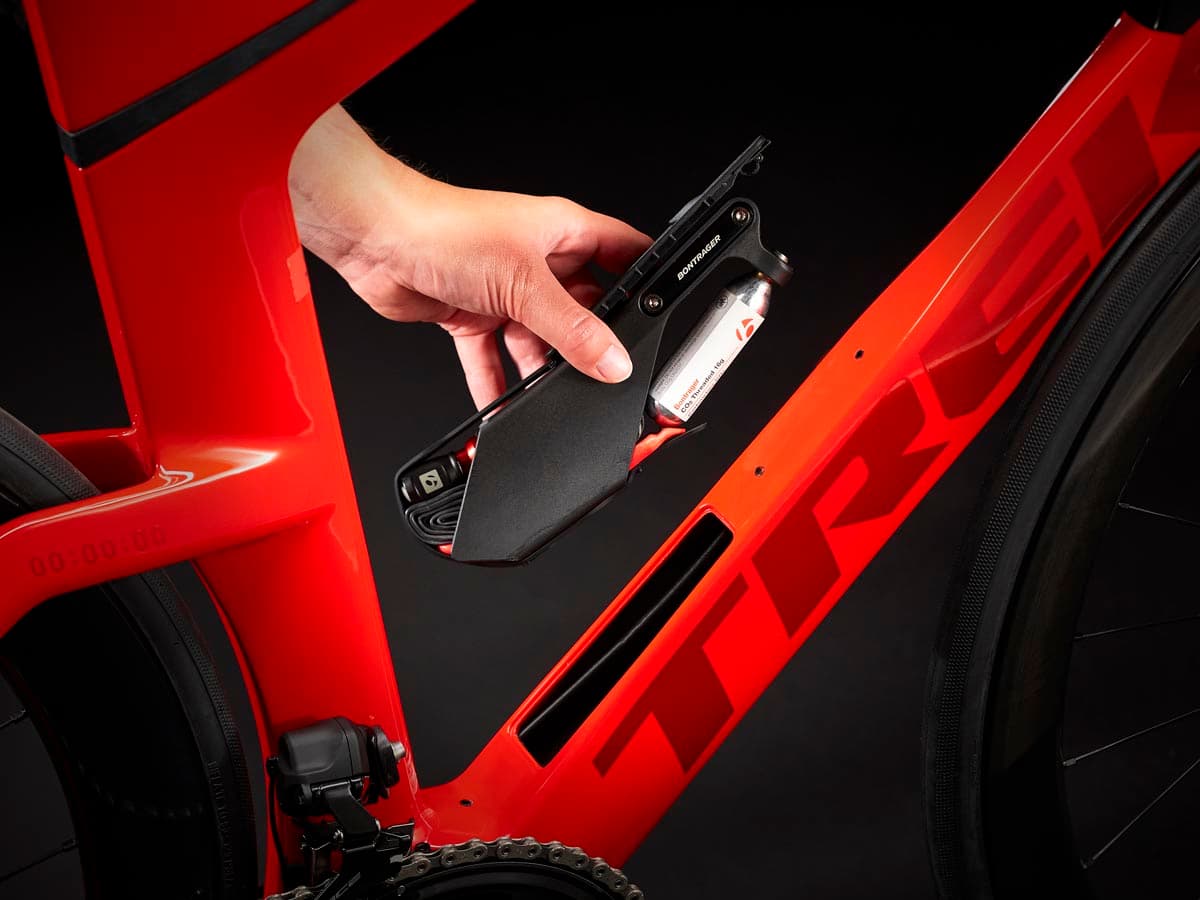
Hidden flat kit — CO₂, tube, tools inside the downtube
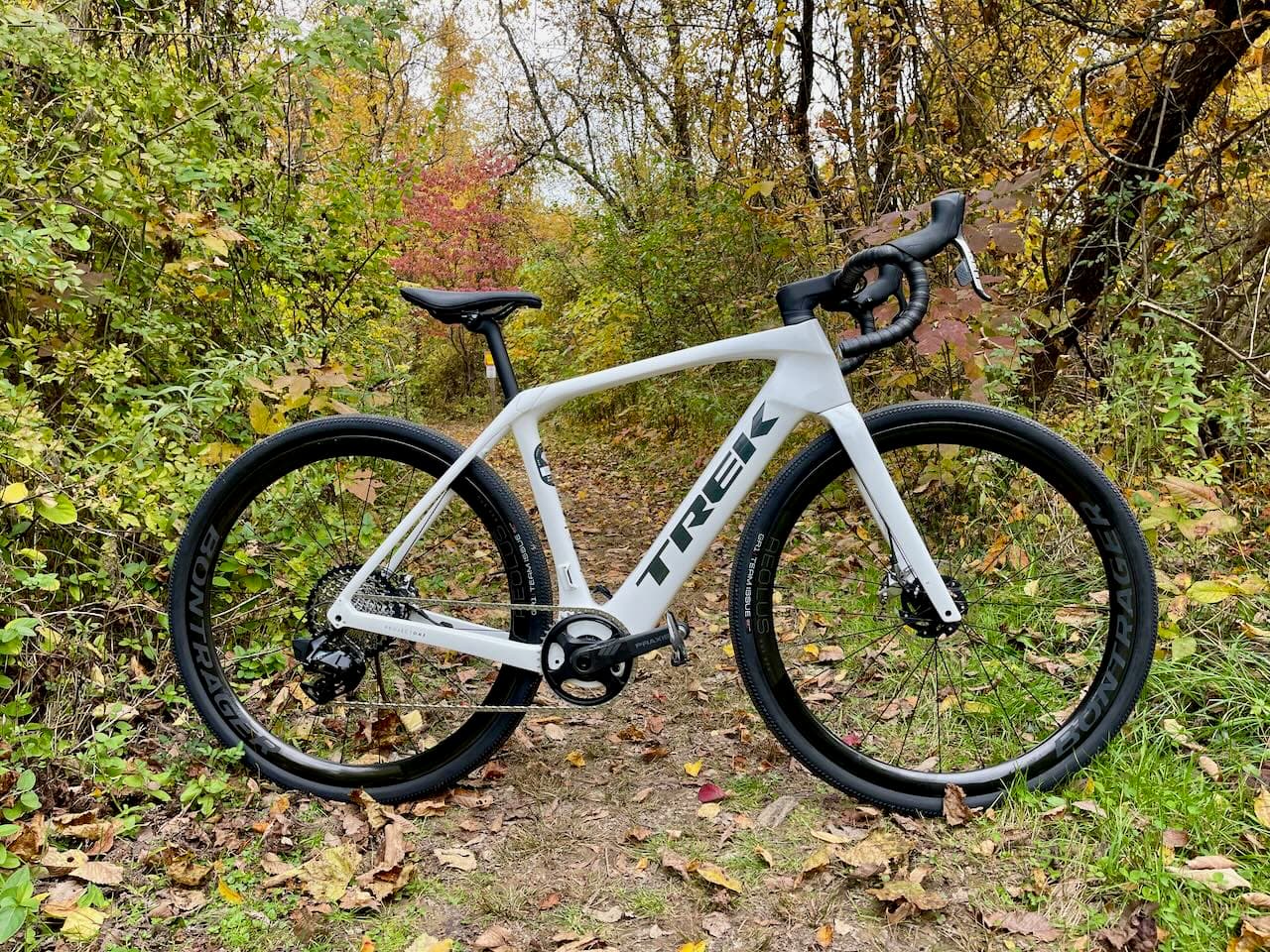
Domane+ E-Bike Platform
Owned product requirements for Trek's connected e-road bikes — two motor architectures (TQ HPR50 mid-drive for SLR, Hyena rear hub for AL), CAN-bus communication, integrated HMI displays, range extender ecosystems, and Trek Central app connectivity. Scoped requirements across motor, BMS, display, controls, and OTA — Trek's most technically complex consumer product. Managed supplier relationships with TQ and Hyena, balancing performance targets against integration constraints.
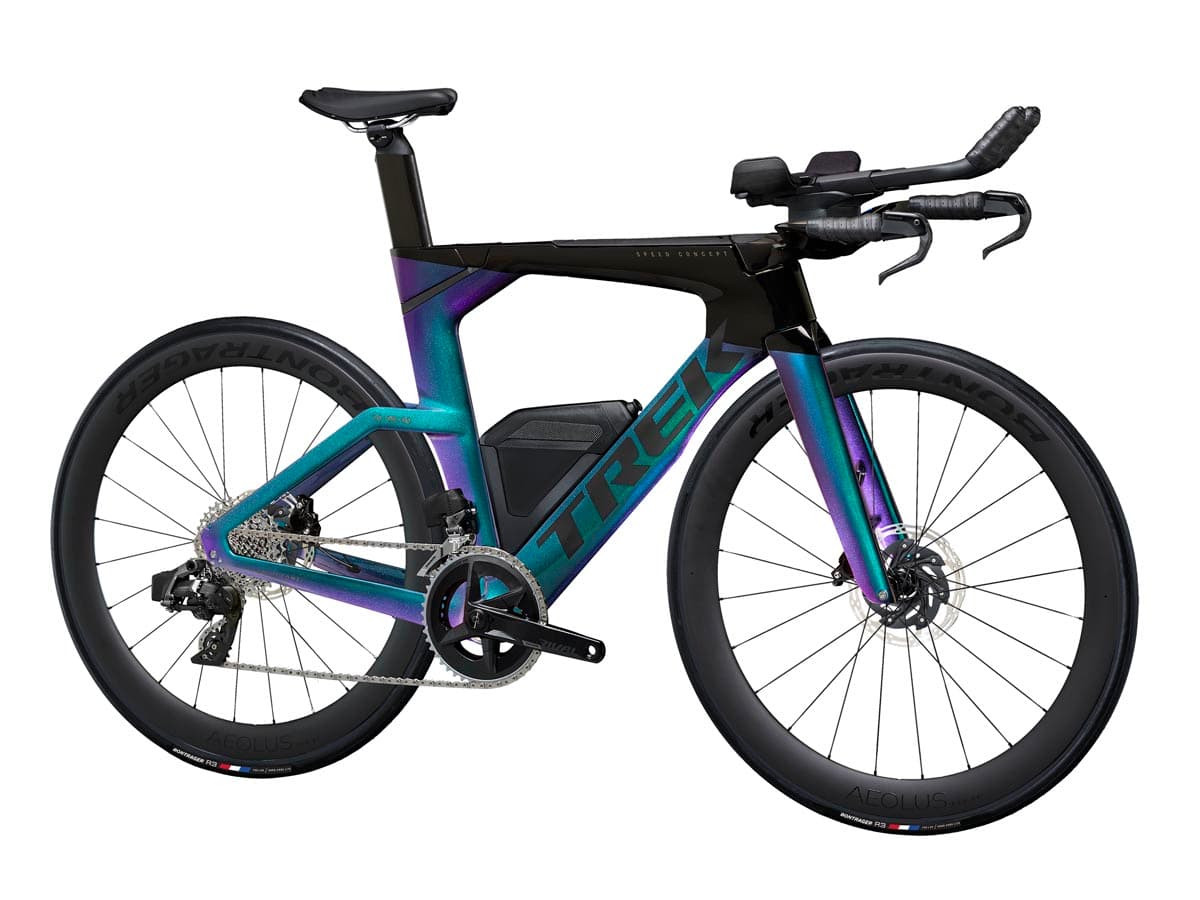
Speed Concept TT/Tri
Trek's flagship triathlon and time-trial platform. Five integrated engineering domains solving complex user problems: CFD aero frame (16W advantage), modular fit cockpit with thousands of valid configurations, integrated nutrition and hydration storage (between-the-arms bottle, downtube bottle, bento box), downtube flat kit compartment, and IsoSpeed compliance tuning. Every accessory engineered for zero aero penalty. Managed fit constraints, UCI compliance, athlete sponsorship, and dealer certification. Ironman Kona. Tour de France.
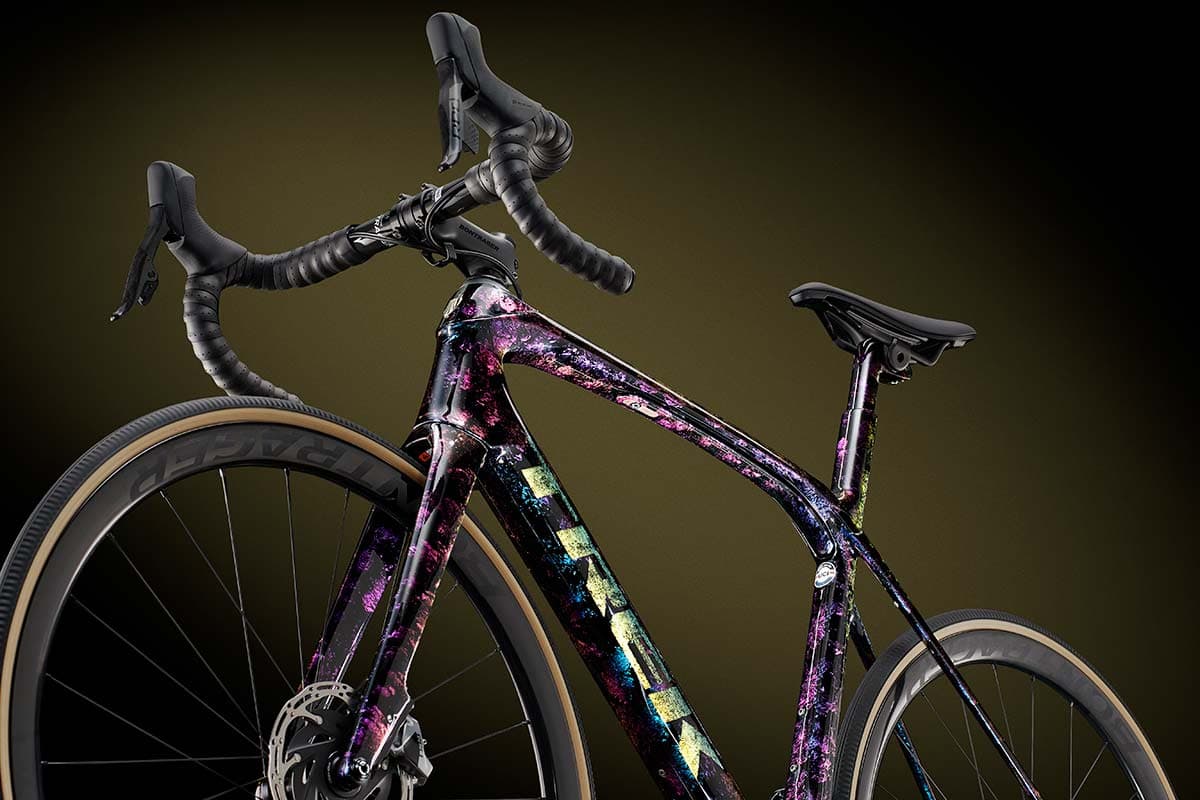
Scale & Profitability
Owned $350M portfolio P&L across 1,500+ SKUs with 2-3 year forward roadmaps. Delivered 6 major product platforms driving 20%+ growth. BOM complexity of 20-30 major suppliers per model. Annual model-year cadence with Good/Better/Best tier architecture. Global distribution and regulatory compliance across 90+ countries. Selected for expanded program management role — led cross-functional teams across product, design, manufacturing, marketing, and supply chain to deliver the Project One configured-to-order platform, including a first-of-its-kind fully customized paint program. Earlier at Trek: 6 years in forecasting, sourcing, and data analytics managing 4,000+ SKUs and building predictive demand models.
Jobs to Be Done
Leading full-cycle product discovery — from generative research through feature definition — for a connected device expanding beyond the typical road cyclist into underserved rider segments.
We were expanding beyond our core user. We needed to understand why riders were underserved.
The cycling computer market was dominated by road-focused devices. An entire segment of riders — including mountain bikers — had needs that weren't being met. We set out to answer fundamental questions: How do they use data and technology? What differentiates their experience? And what are the highest-value problems nobody is solving?
A structured approach to messy discovery
I designed and led a 5-phase research process that balanced rigor with the creative messiness that good discovery requires. Cross-functional collaboration across hardware PM, software PM, industrial design, hardware engineering, software engineering, and product design.
Cross-functional collaboration across HW & SW
Five phases, one artifact each
Each phase produces exactly one artifact, and the next phase may only consume that artifact. It is the reason the output survived contact with engineering — every concept could be walked back to the evidence that motivated it. Select a phase.
Phase 1 · Interview
Generative sessions with riders in the segment, built around recent real rides rather than hypotheticals. Jobs framing first, then a think / feel / act pass on the moments where something went wrong.
25+ in-depth interviews
In the room
PM + product design
Consumes
Segment hypothesis and screener
Produces
Coded observations + first draft job map
One artifact per phase — and it is the only permitted input to the phase after it.
People don’t want a bike computer.
They want to not get lost.
Jobs to Be Done says customers “hire” a product to make progress on a job. Outcome-Driven Innovation adds the measuring stick: express that progress as outcomes you can score, then find the ones that matter and nobody serves well. Two ideas, and everything below is built on them.
Step one · translate
Turn a feature request into something you can rank
A rider asking for bigger arrows is describing a symptom. The job underneath is what you can design against — and unlike the request, it survives a change in technology.
“Just give me bigger turn arrows, I can't read that thing when I'm bouncing around.”
Minimize the time my eyes are off the trail while navigating.
Why it matters: The request names one fix. The outcome names the constraint — and several different solutions can compete to satisfy it.
Step two · structure
Every outcome has the same four parts
Consistent syntax is what makes a hundred statements comparable to each other. Hover a part to see it highlighted.
Minimize the time it takes to confirm I'm on the correct trail at a junction
The rule I held the team to: if a statement names a screen, a button, or a sensor, it isn’t an outcome yet.
From conversations to conviction
Jobs-to-be-Done
Uncovering what riders are really trying to accomplish — not what features they want, but the underlying jobs they hire products to do.
Think, Feel, Act
Riders in real scenarios: What are you THINKING? What do you FEEL? What do you DO next? Revealing emotional and behavioral patterns standard interviews miss.
Outcome Statements
Every interview synthesized into measurable expressions of what riders want to achieve. These became the backbone of the entire program.
Job Map: Navigation While Riding
A job map breaks the job into the steps every rider goes through, regardless of what product they use. It is the frame that stops research turning into a feature wish list — and it made visible that the product was strong in the middle of the ride and weak at both ends. Select a step.
Step 04 · what happens
Verifying the correct trail and heading the right direction. The highest-frequency moment of doubt in the entire job.
Where it broke down
Riders stop, pull out a phone, and cross-check — repeatedly, on rides they have done before.
Outcomes at this step
- Minimize the time it takes to confirm I'm on the correct trail at a junction — opp 15.4
- Minimize the likelihood of taking a wrong turn at an unmarked junction — opp 15.3
Bar under each step shows the share of high-opportunity outcomes landing there. Illustrative example outcomes.
Quantifying opportunity at scale
Not all problems are equally important — to customers or to the business. The Importance and Satisfaction framework surfaces the problems with the highest importance and lowest satisfaction. Those are the highest-value opportunities to build for.
Importance vs. Satisfaction
Every outcome gets rated twice by the same respondent: how important is this, and how satisfied are you with how it works today. Plot importance across the bottom and satisfaction up the side, and the roadmap sorts itself — high importance and low satisfaction, bottom-right, is the only quadrant that argues for building something new.
Illustrative. Statements and positions are representative of the 100+ outcomes tested — the real survey coordinates remain confidential.
Ulwick / ODI opportunity algorithm · both inputs rated by the same respondent · the floor at zero is the detail everyone drops
How to read it
Importance runs left to right, satisfaction bottom to top. Move right and down to find work worth doing. The two diagonals are opportunity-score thresholds: everything below the dashed line scores 12 or higher, everything below the solid line scores 15 or higher.
Highest opportunity · hover to locate
- 15.4Minimize the time it takes to confirm I'm on the correct trail at a junctionConfirm
- 15.3Minimize the likelihood of taking a wrong turn at an unmarked junctionConfirm
- 14.8Minimize the time my eyes are off the trail while navigatingExecute
- 14.7Minimize the likelihood of being surprised by a technical trail featureMonitor
- 14.6Increase the likelihood that a route's difficulty rating matches what I actually rideLocate
- 14.4Minimize the time it takes to reroute mid-ride without stoppingModify
- 13.6Minimize the time it takes to find trails matching my preferred surface and difficultyLocate
- 13.6Minimize the likelihood of missing a turn prompt in rough terrainExecute
Bringing research to life with cross-functional ideation
I organized and facilitated a multi-day cross-functional workshop that brought together product management, industrial design, hardware engineering, software engineering, and product design. The workshop was carefully structured around three inputs: research-backed rider archetypes, prioritized outcome statements from the Importance and Satisfaction analysis, and a technology landscape prepared by engineering.
Rider Archetype Cards
The Data Optimizer
- great grasp on the digital bike experience
- experiments with the latest digital tech
- knows all the faults of current solutions
- wants to see where AI can take cycling
- safety first; radar is critical
The Hands-On Builder
- wants the best gear, doesn't care where it's from
- a tinkerer by nature
- does their own bike building and maintenance
- interested in the mechanical and hands-on perspective
The Professional Racer
- weight weenie
- has all equipment gifted / given to them
- has a team behind them
- doesn't ride with a phone
The Endurance Seeker
- solo rider, has a coach
- may do some racing but primary competition is with themselves
- not super interested in bike maintenance
The Tastemaker
- aesthetics matter as much as performance
- active on social media, shares ride content
- curates their setup carefully
The Social Rider
- rides for fun, not training
- group ride organizer
- values navigation and trail discovery
- uses technology casually
Workshop in Action
The workshop used a structured Figma environment where cross-functional teams worked through prioritized outcome statements, generated solutions, and evaluated them against feasibility constraints in real time.
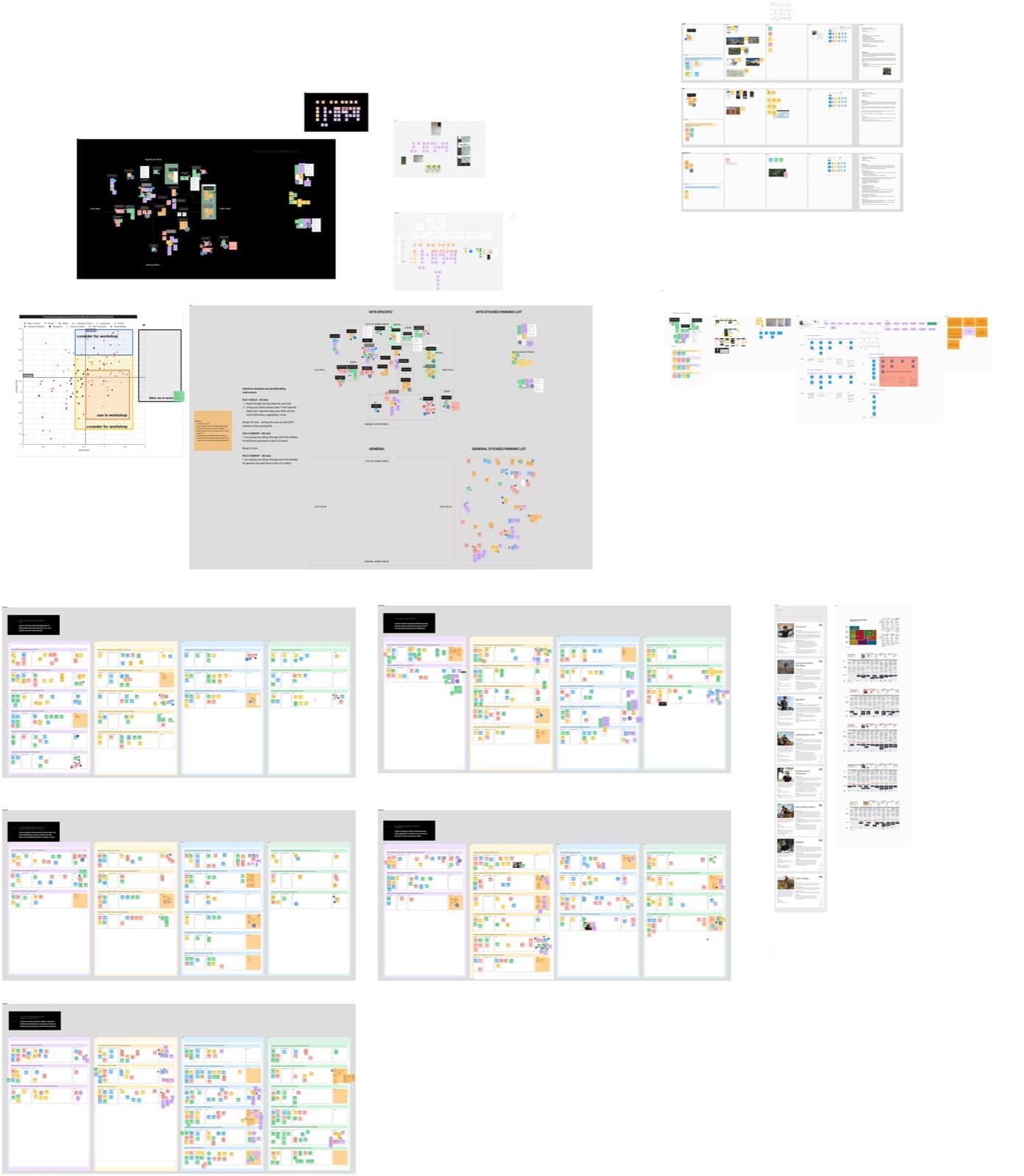
Full workshop environment — research inputs, ideation boards, and feature analysis across multiple sessions
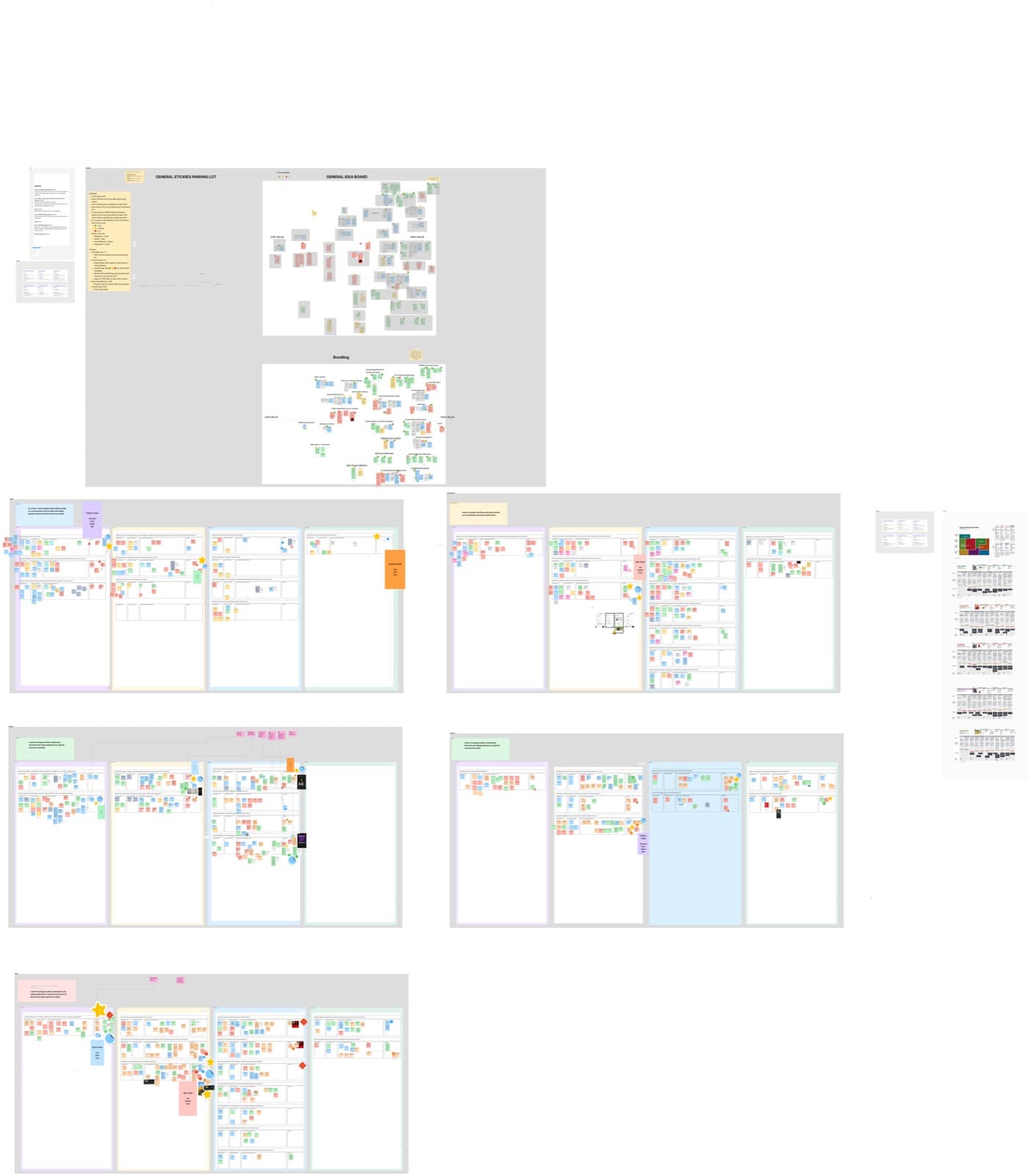
Solution analysis and bundling — cross-functional teams evaluating and prioritizing feature concepts
The riders we designed for
From 25+ in-depth interviews and 2,500+ survey responses, we distilled the mountain bike audience into distinct personas.
“I go out mountain biking and it's a nice way to connect with nature and free my mind.”
The Weekend Explorer
Rides mid-range equipment, doesn't modify it. Social riding is the main draw. The group text thread matters more than the GPS.
Not overly technical. Checks weather on a browser. Appreciates simplicity and low-maintenance tech.
“I'm a competitive person. I enjoy pushing myself using any and all tools to get a marginal gain.”
The Competitive Edge
Life revolves around bikes. Competitive racer using coaches and structured training. Splits time between road and off-road.
Borderline data nerd. Monitors HR, power, glucose, gear position. Post-ride analysis is as important as in-ride data.
“Biking came at a time where my mental health was at a low level. It brought me out of that.”
The Late Convert
Started riding during a health crisis. Now fits biking into everything. Loves long XC trails. Bought gear on marketplace forums.
Relies on a cycling computer for tracking and safety. Prefers post-ride analysis over live monitoring. Did deep forum research before buying.
“I want to see where AI can take cycling. I know all the faults of my current setup.”
The Early Adopter
Great grasp on the digital bike experience. Experiments with the latest tech. Active in online communities. Provides detailed manufacturer feedback.
Early adopter. Runs beta firmware. Has opinions on protocols. Wants open APIs and customization. Radar and crash detection are non-negotiable.
From insight to product vision
The workshop's repeatable 4-step process — connecting user stories from research directly to engineering feasibility checks in real time.
Story
A specific user scenario grounded in research
Sketch
Quick visual exploration, low-fidelity, many options
Feature Def
Refined concept with clear scope and acceptance criteria
Eng. Check
Feasibility validation with implementing partner
What this work delivered
Deep understanding of an underserved market
100+ interviews generating 383 insights and 2,500+ survey responses replaced assumptions with evidence across the organization.
100+ outcome statements ranked by opportunity
The Importance and Satisfaction framework gave the team a shared, data-driven language for prioritization — eliminating opinion-based debates.
Engineering, Design, and Product speaking the same language
By the time we reached feature definition, every function already had deep context from shared research.
383 insights drove 26+ hardware and software features
An executive summary connecting every feature back to a quantified rider need — ready for the Define phase.
A discovery framework the org can reuse
The 5-phase process and feature workflow became the standard for subsequent programs.
This case study describes methodology and process. Specific product details, data, and business strategy remain confidential.
Builder
Product leaders should leverage the latest tools. I've built and deployed apps and AI agent systems leveraging LLMs to automate workflows, system monitoring, and command execution. Deep experience applying prompt engineering and structured output design to product requirements, user research synthesis, and development workflows.
ClawDeck
A full-featured AI chat client for macOS, iOS, and Apple Watch. Multi-agent routing, file navigation, conversation history, approval workflows, and deep settings customization. Showcases product thinking applied to developer tooling — not just a wrapper, but a considered UX layer on top of LLM capabilities.
MIDIControl
Hardware-software bridge for Chase Bliss audio pedals. MIDI protocol implementation with real-time parameter control, HDMI visualization of signal routing, and pedal state simulation. The kind of connected device integration that comes from understanding both the hardware constraints and the user's creative workflow.
AI-Augmented Product Development
Daily practitioner of Claude Code and OpenAI Codex for product development workflows. Built multi-model pipelines using Claude and GPT to accelerate debugging, prototyping, and technical problem-solving. Applied prompt engineering and structured output design to generate product requirements, synthesize user research, and automate development workflows. Built and deployed an LLM agent system (OpenClaw) for workflow automation, customer insight collection, and market positioning.
Let's Talk
Product
I keep a short calendar and I'm direct. If the role is interesting, we'll know within 30 minutes.